Electrical systems are easy to overlook when everything appears to be working normally. Yet as homes become more dependent on powerful appliances, smart technology, home offices, EV charging and energy-efficient equipment, older installations can struggle to keep pace.
Knowing when to upgradeβand understanding what an upgrade actually involvesβcan help homeowners make safer, better-informed decisions. An experienced electrician Ilford can assess the condition of your existing installation, identify potential weaknesses and recommend improvements that suit the way you use your property.
Below, Sparked Out Ltd answers some of the most common questions homeowners have about electrical upgrades.
π Table of Contents
π What Counts as an Electrical Upgrade?
π How Do I Know If My Home Needs Upgrading?
π Do I Need a Complete Rewire?
π Is an Old Consumer Unit a Problem?
π Can Additional Sockets Improve Safety?
π What Happens During an Electrical Upgrade?
π Will an Upgrade Make My Home More Energy Efficient?
π How Should I Prepare for Electrical Work?
π Why Should Electrical Upgrades Be Professionally Completed?
π Conclusion
π What Counts as an Electrical Upgrade?
An electrical upgrade can range from a relatively focused improvement to extensive modernisation of the property’s electrical infrastructure.
Common upgrades include:
β‘ Replacing an ageing consumer unit
π Adding additional sockets
π‘ Installing modern LED lighting
π‘οΈ Improving circuit protection
π Replacing old or deteriorated wiring
π± Adding smart switches and controls
π Preparing circuits for an EV charger
π³ Installing safe outdoor electrical supplies
π₯ Updating smoke, heat or carbon monoxide alarm systems
The right solution depends on the age of the property, its existing electrical condition and your current and future requirements.
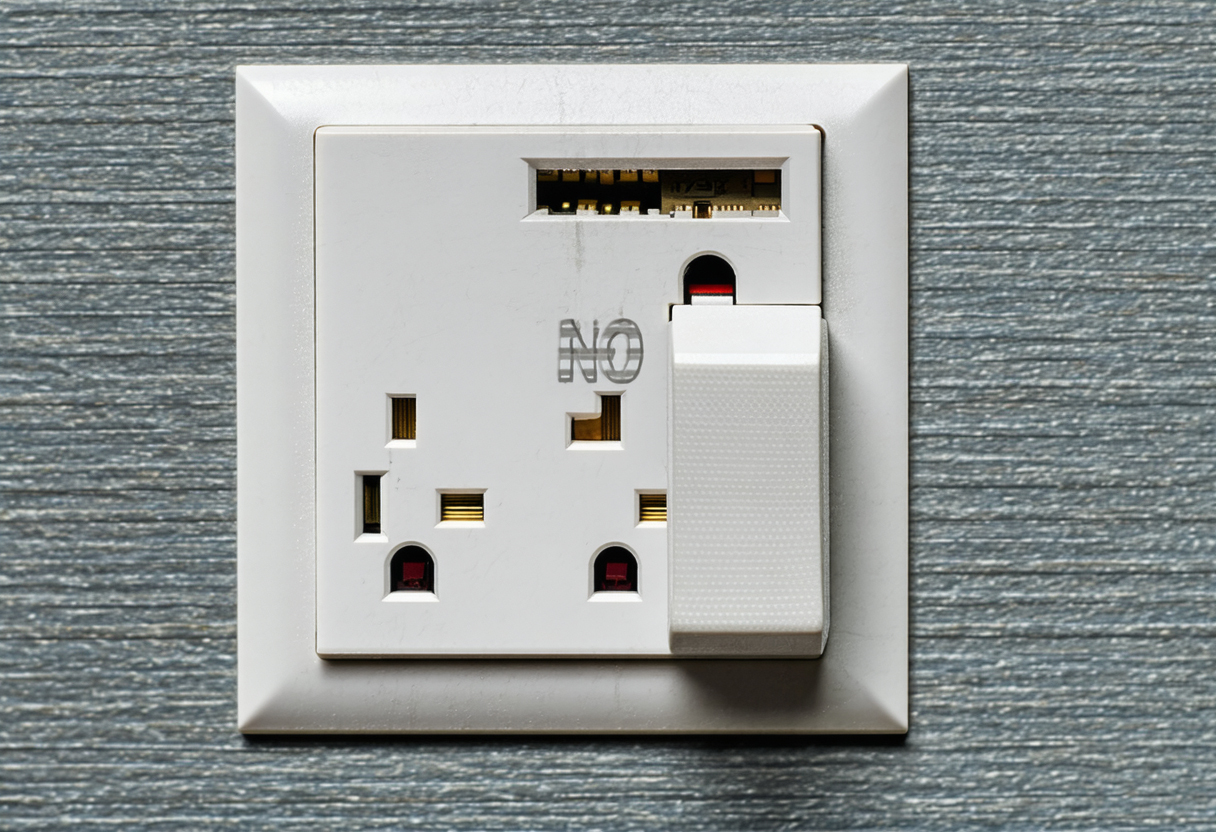
πΈ Image: Modern Residential Electrical Upgrade
A qualified electrician working inside a contemporary Ilford home, inspecting a modern consumer unit while newly installed sockets, LED lighting and neatly organised electrical components demonstrate professional electrical upgrading.
π How Do I Know If My Home Needs Upgrading?
Not every older electrical system automatically requires replacement, but certain warning signs deserve professional attention.
π¨ Circuit breakers trip repeatedly
Occasional tripping can happen, but recurring problems may suggest excessive demand or an underlying fault.
π‘ Lights regularly flicker or dim
A loose connection, faulty circuit or another electrical issue may be responsible.
π₯ Sockets become unusually warm
Heat, scorching or discolouration should never be ignored.
π You constantly rely on extension leads
A shortage of appropriately positioned sockets may indicate the installation no longer matches the household’s needs.
ποΈ Your electrical equipment looks considerably dated
Older fuse boxes, accessories and wiring can warrant closer professional inspection.
π You’re planning major renovations
Kitchen extensions, loft conversions and substantial alterations provide an ideal opportunity to reassess electrical capacity.
If you’re uncertain, a professional inspection is more reliable than judging the condition of an electrical system by appearance alone.
π Do I Need a Complete Rewire?
Not necessarily.
One of the biggest misconceptions surrounding electrical upgrades is that every problem requires a complete rewire. In reality, the appropriate solution depends on the condition of the installation.
π§ A damaged circuit might require targeted repairs.
π A lack of sockets may be addressed by adding suitable outlets and circuits.
β‘ An ageing consumer unit may need replacing without rewiring the entire property.
π Severely deteriorated or unsuitable wiring may justify a partial or full rewire.
A competent electrician should assess the system first and recommend work based on evidence rather than automatically suggesting the largest project.
π Is an Old Consumer Unit a Problem?
A consumer unit distributes electricity around the property while protective devices help disconnect circuits when certain faults occur.
Older units may lack some of the protection available in modern installations. However, age alone doesn’t determine whether replacement is necessary.
An electrician can assess:
π‘οΈ Existing protective devices
β‘ Circuit arrangements
π Signs of deterioration or damage
π Compatibility with proposed new electrical work
π The overall condition of the installation
Replacing a consumer unit can form an important part of modernisation, but it should be approached as part of a wider assessment rather than treated as an automatic requirement.
π Can Additional Sockets Improve Safety?
They can.
Modern households often use considerably more electrical equipment than homes were originally designed to accommodate. If there aren’t enough fixed sockets, homeowners may become overly dependent on extension leads and adaptors.
Additional professionally installed sockets can help by:
π Reducing cable clutter
β‘ Distributing demand more appropriately
π‘ Improving room functionality
π± Providing convenient charging points
π« Reducing dependence on permanent extension-lead arrangements
Socket placement should be carefully planned around furniture, appliances and the intended use of each room.
π What Happens During an Electrical Upgrade?
The exact process varies, but professional electrical upgrades generally follow several clear stages.
π Assessment
The existing electrical installation is inspected and your requirements are discussed.
β¬οΈ
π Planning
Circuits, socket locations, lighting points and other improvements are planned.
β¬οΈ
π§ Installation
Approved work is completed using suitable electrical materials and equipment.
β¬οΈ
π§ͺ Testing
The completed work is inspected and electrically tested.
β¬οΈ
π Handover
Relevant information, documentation and operating guidance are provided.
A structured process helps ensure that safety, usability and long-term performance are considered throughout the project.
π Electrical Upgrade Journey
π EXISTING HOME
β¬οΈ
π ELECTRICAL ASSESSMENT
β¬οΈ
π PRACTICAL UPGRADE PLAN
β¬οΈ
π§ PROFESSIONAL INSTALLATION
β¬οΈ
π§ͺ INSPECTION & TESTING
β¬οΈ
β‘ SAFER MODERN SYSTEM
β¬οΈ
π GREATER PEACE OF MIND
π Will an Upgrade Make My Home More Energy Efficient?
Some electrical upgrades can help improve energy efficiency, although electrical work itself doesn’t automatically guarantee lower bills.
The greatest opportunities often come from the equipment and controls connected to the system.
π‘ LED lighting
Modern LED technology generally requires less electricity than traditional incandescent lighting.
ποΈ Smart controls
Timers, sensors and automated systems can reduce unnecessary usage.
π‘οΈ Improved control systems
Better heating or lighting control can help households use energy more deliberately.
π Energy monitoring
Understanding where electricity is being consumed can make it easier to change inefficient habits.
β‘ Suitable modern infrastructure
A correctly designed system can support newer, more efficient technology safely.
Energy savings vary by household, so claims of guaranteed reductions should be treated cautiously.
π How Should I Prepare for Electrical Work?
Preparation can make an electrical project smoother and reduce disruption.
π¦ Clear furniture and possessions away from affected walls.
πΌοΈ Remove fragile decorations near working areas.
π» Back up important computer work before planned power interruptions.
πΎ Keep pets safely away from work zones.
π Discuss expected power shutdowns in advance.
π¨ Clarify whether making good and decorating are included in the quotation.
For substantial rewiring projects, you should also ask how floorboards, walls and ceilings may be affected.
Clear expectations at the beginning usually lead to a better overall experience.
π Why Should Electrical Upgrades Be Professionally Completed?
Electricity can be dangerous when work is incorrectly designed, installed or tested. Even an installation that appears to function normally can contain faults that aren’t visible without specialist equipment.
Professional electrical work offers several advantages.
π¨βπ§ Technical knowledge
Qualified professionals understand circuit design, protective devices, cable selection and electrical testing.
π‘οΈ Safety-focused installation
Correct workmanship reduces avoidable risks.
π Regulatory awareness
Professional electricians understand the standards and requirements relevant to their work.
π§ͺ Proper testing
Electrical testing helps verify that completed work performs as intended.
π€ Accountability
Reputable contractors should explain the proposed work clearly and provide appropriate documentation where required.
For homeowners looking for an electrician Ilford residents can rely on, Sparked Out Ltd provides professional electrical services focused on safe installations, practical advice and quality workmanship.
π What Should I Ask Before Accepting a Quote?
A clear quotation should leave you confident about what you are paying for.
β What exactly is included in the work?
β Are materials included?
β Will testing be completed?
β What electrical documentation will I receive?
β Will walls or floors need to be opened?
β Is making good included?
β Are there any likely additional costs?
β How will the work prepare my home for future requirements?
The cheapest quotation isn’t automatically the best value. Scope, workmanship, safety and clarity all matter.
π Conclusion
Electrical upgrades can range from installing additional sockets or modern lighting to replacing consumer units and carrying out extensive rewiring. The right approach depends on the condition of the existing installation, the demands placed on it and how you expect your property to evolve.
Understanding the basics makes it easier to recognise warning signs, ask informed questions and invest in improvements that genuinely benefit your home.
Sparked Out Ltd helps homeowners in Ilford assess existing electrical systems and plan practical upgrades with safety, reliability and long-term usability in mind.
β‘ Whether you’re modernising an older property, planning renovations or simply want reassurance about your electrical system, professional assessment is the best place to begin.